Renting 101: Tips for First-Time Renters Seeking a Property Available for Rent!
Explore a wide range of property available for rent in prime areas. Find affordable homes, apartments, and spaces that fit your needs and budget today.

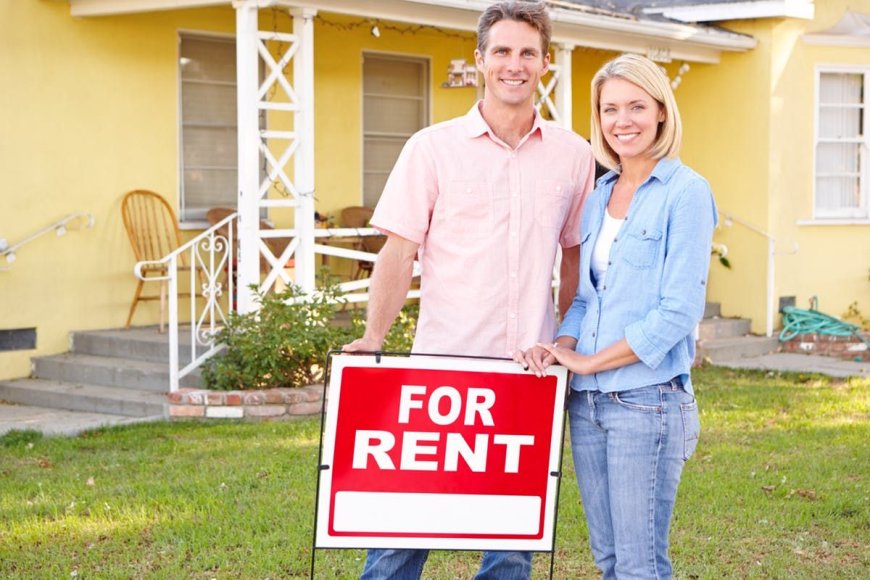
Before diving into listings of a Property Available for Rent, its essential to take a step back and assess what kind of living situation suits your lifestyle. Are you looking for a quiet residential area or a lively urban setting? Do you need space for a home office, or is proximity to public transportation your top priority? Making a list of your non-negotiablessuch as the number of bedrooms, parking availability, or pet policiescan help narrow down your options significantly. Also, think ahead about your future plans. If you anticipate working remotely long-term or adopting a pet, your choice of rental should reflect that. By understanding your personal and practical needs before beginning your search, youll save time, reduce stress, and improve your chances of finding a rental that truly feels like home.
Setting a Realistic Budget That Includes More Than Just Rent Payments
When it comes to renting, your monthly rent payment is just one part of the equation. First-time renters often overlook additional recurring expenses that can stretch a budget thin if not anticipated. Beyond rent, expect to pay for utilities such as electricity, water, gas, and internet. Some landlords include these in the rent, but many dont. You'll also need to consider upfront costs like security deposits, application fees, and possibly a move-in or cleaning fee. Renters insurance, although often inexpensive, is increasingly required by landlords. Dont forget to leave room in your budget for emergency savings and unexpected costs, like appliance repairs or needing to buy furniture. Planning your finances thoroughly now ensures you can comfortably afford your new place without sacrificing your quality of life.
Researching the Neighborhood: A Crucial Step You Shouldnt Skip as a First-Time Renter
Its easy to fall in love with a beautifully staged rental unit, but the surrounding neighborhood plays just as important a role in your day-to-day satisfaction. Spend time exploring the area, ideally during different times of day and week, to get a true sense of the community vibe. Are there grocery stores, pharmacies, or gyms nearby? Is the area well-lit and safe at night? Talk to current residents if possible or check local forums and social media groups for honest feedback. Check commuting options toowhether its access to highways, reliable public transportation, or walkability to work and essential services. This research phase can help you avoid surprises like noisy nightlife next door or a lack of public infrastructure. Ultimately, a great neighborhood can enhance your living experience just as much as the apartment itself.
Understanding Lease Terms in a Property Available for Rent Agreement
When entering a rental arrangement, one of the most critical documents youll encounter is the lease agreement. This legally binding contract outlines the responsibilities of both the tenant and the landlord, and sets expectations for the duration of the rental. Understanding what is coveredsuch as maintenance responsibilities, utilities, and allowed usageprevents future disputes. Tenants often overlook fine print, but these sections may contain important stipulations that could affect your rights or lead to unexpected charges.
Understanding the Duration, Renewal Clauses, and Early Termination Conditions in Rental Contracts
Lease duration is a foundational element of any rental contract. While some leases are month-to-month, others span six months, a year, or even longer. It's also important to examine whether the agreement renews automatically, requires renegotiation, or includes penalties for early termination. Knowing how much notice you need to give before moving outor what fees apply if you break the leasecan help you avoid legal or financial headaches down the line.
Clarifying Rent Amounts, Payment Due Dates, and Late Fee Policies in Lease Documents
The monthly rent is more than just a number; its tied to a host of other payment-related terms. A comprehensive lease will outline not only the rent amount, but also due dates, acceptable payment methods, and late fee structures. Tenants should confirm whether grace periods are offered and whether rent increases can occur during the lease term. Clear understanding of these elements will ensure youre financially prepared and not caught off guard by hidden charges or sudden changes.
Commercial vs Residential: Which Leased Property for Sale Brings Better Returns?
Investors looking for stable and attractive returns often consider opportunities like Leased Property for Sale. A major factor influencing profitability is the reliability of the income stream. Commercial properties typically outperform residential units in terms of rental yield, thanks to extended lease periods and higher rental rates from business tenants. These commercial leases often range from 3 to 10 years or more, offering long-term financial consistency. Many agreements also follow triple net lease structures, where tenants cover property taxes, insurance, and maintenanceminimizing costs for the owner. Residential investments, while easier to lease, can involve frequent tenant turnover and higher maintenance demands. Nevertheless, strong population growth in urban and suburban areas helps sustain occupancy rates and rental income.
Management Intensity and Maintenance Responsibilities Can Greatly Influence Profit Margins
Investors must also consider how actively they want to be involved in managing the property. Residential leases often require more day-to-day managementhandling tenant complaints, routine repairs, and legal compliance issues related to housing regulations. These responsibilities can either be outsourced to a property manager or handled directly, impacting your time and profit margin. Conversely, commercial tenants usually assume more responsibility for property upkeep and often invest in customizing the space to suit their business needs, which can lead to longer tenures and fewer maintenance calls. However, when a commercial tenant leaves, the space may require significant renovation to attract the next occupant, adding to your costs and vacancy time.
Market Volatility and Risk Tolerance Should Guide Your Investment Strategy
Another key consideration is how each property type responds to economic shifts. Residential properties tend to be more recession-resilient because housing remains a fundamental need, even in tough times. This means rental income from residential units may continue flowing even during economic downturns. On the other hand, commercial properties are more sensitive to market cycles, as businesses may downsize, relocate, or shut down during periods of low economic activity. As a result, vacancies can last longer, and rent renegotiations may become more common. Investors with a higher risk tolerance and a longer-term outlook might find commercial assets more lucrative, while those seeking a safer, more stable cash flow might prefer residential holdings.
Exit Strategies and Property Liquidity Are Critical When Planning for the Future
Finally, when evaluating potential returns, investors should also consider how easily they can sell the asset when needed. Residential properties generally have higher liquidity, as they appeal to both individual buyers and investors. This makes it easier to exit the investment if market conditions change or personal financial goals shift. Commercial properties, while potentially offering larger profits on sale, often take longer to sell due to a smaller buyer pool and more complex transaction structures. Timing the market becomes more critical in the commercial sector, where capital gains may depend on broader economic and business trends.
The Legal Side of Buying a Leased Property for Sale: What You Need to Know
A common mistake among first-time investors is assuming that buying a property automatically grants full control. However, when a unit is already rented out, the new owner must legally honor all active lease agreements unless specific arrangements are made prior to the purchase. This includes respecting rent amounts, security deposits, and even tenant rights of renewal. Failing to comply can lead to lawsuits, fines, or even forced lease reinstatement by the courts.
How Local and State Laws Affect the Transfer of Tenant-Occupied Properties
Different states and municipalities have varying rules about how ownership transfers affect tenants and leases. Some regions provide robust protections for tenants that can include mandatory disclosures, notice periods before sale, and restrictions on evictions for reasons other than cause. Before completing any purchase, its essential to consult with a local real estate attorney who understands the nuances of the jurisdiction. Whats legal in one city may be grounds for litigation in another.
Handling Security Deposits and Rental Income During Ownership Transfer
One often-overlooked aspect of tenant-occupied transactions is the proper handling of security deposits and any prepaid rent. By law, the new owner may be required to take custody of these funds and apply them according to the original lease terms. Its crucial that these amounts are documented and transferred correctly during closing, as mishandling them could expose the new owner to financial liability. Additionally, any rent collected by the seller prior to the transfer may need to be prorated.