Organ Transplant Logistics Coordination Apps by Mobile App Developers in Dallas
Discover how mobile app developers in Dallas are transforming organ transplant logistics with innovative coordination apps for hospitals and donors.

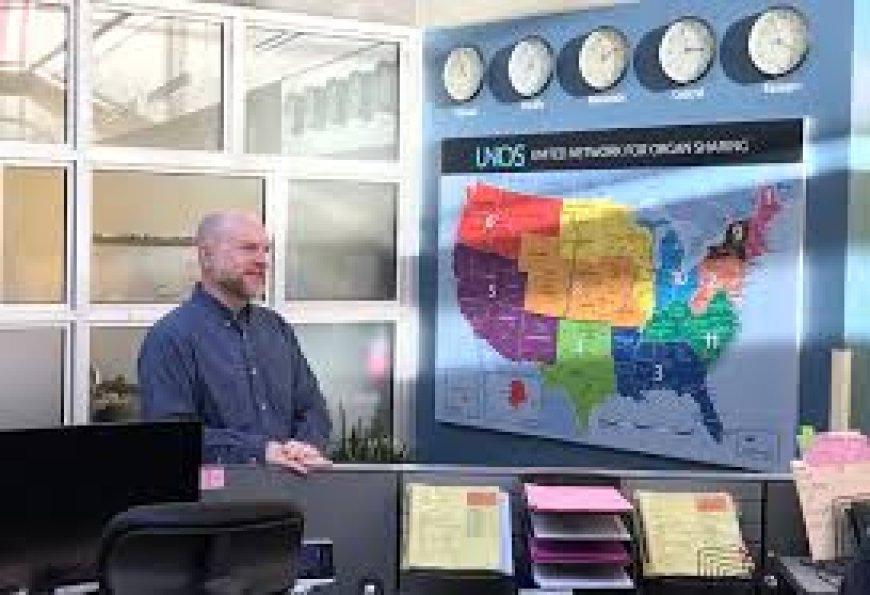
Organ transplant logistics is a race against time. Every minute countsfrom donor identification to organ retrieval to successful transplantation. But in an era where Uber delivers rides and drones deliver packages, why should critical organs still rely on outdated coordination systems?
Thats exactly where mobile app developers in Dallas are stepping in. Theyre teaming up with hospitals, transplant networks, and software development companies to create powerful, real-time organ logistics coordination apps that save livesliterally.
Lets explore how this works, what makes Dallas a hub for such innovation, and why these apps might be the biggest upgrade the transplant industry has seen in decades.
Why Organ Transplant Coordination Is a High-Stakes Challenge
Time Sensitivity of Organs
Organs like the heart, lungs, and liver have a very limited window for transplantationoften just 4 to 6 hours. This creates an immense logistical challenge that includes matching the organ to a recipient, arranging transport, and prepping the surgical team.
Fragmented Communication Systems
Most hospitals still depend on manual communication, spreadsheets, and phone calls to coordinate logistics. This fragmented process increases the chances of miscommunication, delays, and even organ wastage.
Enter Mobile App Developers in Dallas
Dallas has emerged as a health-tech innovation hotspot. With its strong medical infrastructure and rapidly growing tech scene, its no surprise that mobile app developers in Dallas are building tools that completely reimagine how organ transplants are coordinated.
These apps bring together the entire ecosystemorgan procurement organizations (OPOs), transplant surgeons, transportation teams, hospitals, and even local law enforcementin one seamless interface.
Key Features of Organ Transplant Coordination Apps
Real-Time Organ Tracking
Using GPS, RFID, and IoT integration, these apps allow real-time tracking of the organ from donor to recipient. The surgical team can monitor every move, from air travel to ambulance routes.
Smart Alerts and Notifications
Transplant teams receive automated updates about estimated arrival times, changes in condition, or route delays, helping them adjust surgical prep accordingly.
Role-Based Access and HIPAA Compliance
Data is shared only with authorized parties. Every action is logged, ensuring complete traceability and full HIPAA compliancea vital feature for apps in healthcare.
AI-Powered Matching and Routing
Some of these apps, developed in collaboration with software development companies, use AI algorithms to suggest optimal donor-recipient matches and the fastest transport routes, even factoring in weather and traffic conditions.
Why Dallas? The Rise of a MedTech City
Rich Ecosystem of Talent
Dallas is home to major hospitals like Baylor University Medical Center and UT Southwestern, creating opportunities for collaboration between doctors and mobile app developers in Dallas.
Thriving Startup Scene
With accelerators like Health Wildcatters and investments from tech-forward VC firms, Dallas offers fertile ground for MedTech innovation.
Strategic Geographic Location
Dallas is centrally located, making it a key player in national organ transportation routesanother reason it attracts transplant logistics innovation.
Benefits of These Coordination Apps
| Feature | Impact |
|---|---|
| Speed | Reduces organ transport time significantly |
| Accuracy | Minimizes errors in communication |
| Transparency | Provides real-time updates to all stakeholders |
| Safety | Ensures compliance and reduces mishandling risk |
Role of Software Development Companies in Building These Apps
Scalable Backend Architecture
Reliable coordination apps must handle heavy traffic during emergencies. Software development companies ensure backend systems are fast, fail-safe, and scalable.
Cloud Integration
These apps often rely on cloud services (AWS, Azure) to store encrypted data that can be accessed from anywhere, any time.
Security Audits and Compliance
From penetration testing to HIPAA certification, software development companies are instrumental in ensuring that apps meet strict regulatory standards.
Real-World Impact: Case Studies
Dallas Transplant Center and the Lifeline App
One Dallas-based hospital piloted an app called Lifeline, built in collaboration with local developers. It reduced the average transport time by 38%, helped salvage 4 previously discarded organs in its first 6 months, and improved surgical readiness metrics by 22%.
Partnership with EMS and Law Enforcement
Another pilot app integrated directly with Dallas EMS systems and even highway patrol, allowing priority routes and green-light coordination for ambulances carrying organs.
The Road Ahead: Features in Development
Drone-Based Organ Delivery
Several mobile app developers in Dallas are actively testing integration with drone logistics companies. This could drastically cut transport times in urban settings.
Blockchain for Donor Data
Some software development companies are also exploring blockchain to create a tamper-proof ledger of organ donor histories and chain-of-custody logs.
Augmented Reality for Surgical Prep
In the near future, transplant surgeons might use AR overlays in real-time, powered by data piped in from these apps to prep organs more efficiently.
How Hospitals Can Get Started
Partner with the Right Developers
Choosing experienced mobile app developers in Dallas who understand HIPAA and medical workflows is essential.
Start with a Pilot Program
Most hospitals begin with a limited pilot in a single transplant department before scaling the solution.
Leverage Government Grants
Grants from the Department of Health and Human Services and collaborations with academic research centers can help reduce development costs.
Pros and Cons Table
| Pros | Cons |
|---|---|
| Faster, safer organ delivery | High initial setup cost |
| Real-time tracking | Requires staff training |
| Improved communication | Ongoing compliance maintenance |
| Better use of available organs | Data security must be strictly managed |
FAQs (Schema Markup Style)
What is an organ transplant logistics coordination app?
These are mobile apps that streamline the process of transporting organs from donor to recipient using real-time tracking, automated alerts, and AI tools.
Why are mobile app developers in Dallas leading this trend?
Dallas has the right mix of healthcare institutions, tech talent, and startup culture, making it an ideal hub for MedTech innovation.
Are these apps compliant with medical privacy laws?
Yes. When developed by certified software development companies, they follow strict HIPAA protocols and security standards.
Can small hospitals afford to implement such apps?
Many start with pilot programs and use government grants or partnerships with universities to offset costs.
ENTITY TAG SCHEMA FOR SEO
-
@Entity: Organ Transplant Coordination App
@Type: Mobile Health Technology
@RelatedTo: Medical Logistics, Real-time Tracking, AI in Healthcare -
@Entity: Mobile App Developers in Dallas
@Type: Software Development
@RelatedTo: HealthTech, HIPAA, IoT -
@Entity: Software Development Companies
@Type: Tech Industry
@RelatedTo: App Architecture, Backend Security, Healthcare IT -
@Entity: Lifeline App
@Type: Case Study
@RelatedTo: Organ Transport Optimization, Dallas Medical Center
Final Thoughts: Life-Saving Tech, Right in Your Pocket
Weve all heard the phrase time is life in healthcare. But nowhere is that truer than in organ transplant logistics. Thanks to the innovation coming out of Dallas, were finally seeing whats possible when technology meets medical urgency.
By choosing to partner with experienced mobile app developers in Dallas and top-tier software development companies, hospitals can now play a pivotal role in reducing delays, improving outcomes, and saving livesone organ at a time.