How Much Should I Feed My Cat? A Complete Guide to Cat Feeding Portions and Schedules


Feeding your feline friend isnt just about pouring kibble into a bowl and calling it a day. Cats have specific dietary needs that vary by age, weight, activity level, and even breed. If youve ever found yourself asking, How much should I feed my cat? or wonderinghow often to feed a cat, youre not alone. Understanding the best portion size for cat food can help ensure your cat stays healthy, energetic, and happy.
Why Feeding Amounts Matter

Just like humans, cats can suffer from underfeeding and overfeeding. Too little food can lead to nutrient deficiencies, while too much can cause obesity, diabetes, and other serious health problems. The key is striking a balance that supports your cats age and lifestyle.
How Much Should I Feed My Cat?
The answer depends on several factors:
-
Age: Kittens require more calories and nutrients than adult cats.
-
Weight: Overweight cats need calorie restrictions, while underweight cats need more food.
-
Activity Level: Active, outdoor cats will need more energy-dense meals than sedentary indoor ones.
-
Type of Food: Dry food (kibble) and wet food (canned) have different calorie densities.
A general guideline for adult cats is:
-
Indoor adult cats: Around 20 calories per pound of body weight per day.
-
Outdoor or highly active cats: Up to 35 calories per pound of body weight per day.
For example, a healthy 10-pound indoor cat would need approximately 200 calories daily.
Always check the label of your cat food, as different brands vary in calorie content per cup or can. This is a vital step when figuring outhow much should I feed my cat.
Best Portion Size for Cat Food
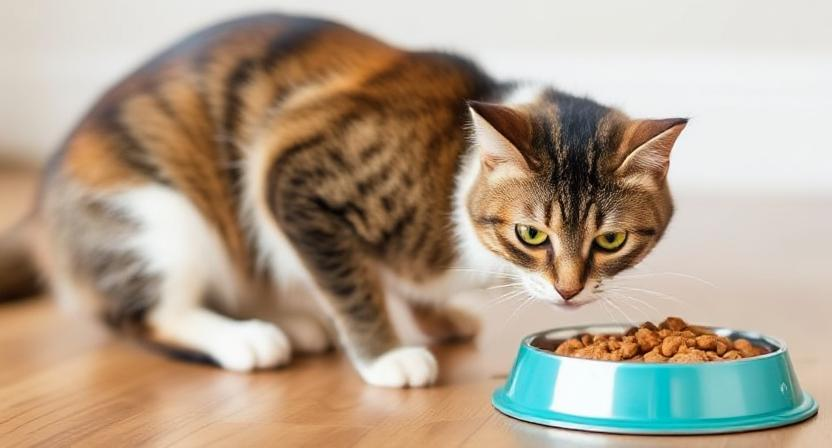
When choosing the best portion size for cat food, youll want to consider:
1. Caloric Needs
As mentioned, a 10-pound cat generally needs 200250 calories per day. If the dry food youre using has 400 calories per cup, youd only feed about half a cup per daysplit into meals.
2. Food Type
-
Dry food: Denser in calories. Measure carefully, as its easy to overfeed.
-
Wet food: Has higher water content and fewer calories per ounce. Often better for hydration and weight control.
Example:
-
A typical 5.5 oz can of wet food contains around 150200 calories.
-
You might need 1 to 1.5 cans per day for an average cat, divided into meals.
3. Feeding Tools
Using a kitchen scale or a measuring cup is the best way to ensure accuracy in portioning. Eye-balling food often leads to overfeeding.
How Often to Feed a Cat
Cats do best on a consistent feeding schedule. But how often to feed a cat depends on age and personal preference.
Kittens:
-
Up to 6 months: 34 meals per day.
-
6 months to 1 year: 23 meals per day.
Adult Cats:
-
Twice a day is generally ideal: once in the morning and once in the evening.
Some owners prefer free feeding (leaving food out all day), but this often leads to overeating, especially with dry food. Scheduled feeding allows you to control portions and monitor your cats appetiteimportant for spotting health issues early.
Senior Cats:
Older cats (7+) may benefit from smaller, more frequent meals to ease digestion and prevent weight loss or gain.
Feeding Tips for a Healthy Cat

Here are some practical tips to make sure you're feeding your cat the right way:
-
Monitor weight regularly: Adjust food portions if your cat gains or loses weight.
-
Read the label: Cat food brands varycalories per serving can differ widely.
-
Fresh water is essential: Especially if feeding dry food. Consider a water fountain to encourage drinking.
-
Treats count: Keep treats under 10% of total daily calories.
-
Avoid human food: Many human foods are toxic to cats or add unnecessary calories.
Signs You May Be Feeding the Wrong Amount
Not sure if youre getting it right? Watch for these signs:
-
Overfeeding: Lethargy, visible weight gain, uncleaned bowl (your cat isnt hungry).
-
Underfeeding: Excessive meowing, weight loss, scavenging behavior, always finishing food quickly.
If in doubt, consult your vet for a personalized feeding plan, especially for cats with special needs or medical conditions.
Wrapping Up
Feeding your cat might seem simple, but its one of the most important factors in their overall health. Knowing how much should I feed my cat, how often to feed a cat, and identifying thebest portion size for cat foodwill set your feline on the path to a longer, healthier life.
Every cat is different, so a one-size-fits-all approach wont work. Pay attention to your cats body condition, activity level, and behavior to tailor their feeding routine. And rememberwhen in doubt, your veterinarian is your best resource.