Celebration of Life: Honoring the Departed with Love and Joy
Discover the meaning and significance of a celebration of life—a heartfelt, personalized tribute that honors the joy, love, and legacy of a departed loved one.


Celebration of Life: Honoring the Departed with Love and Joy
Introduction
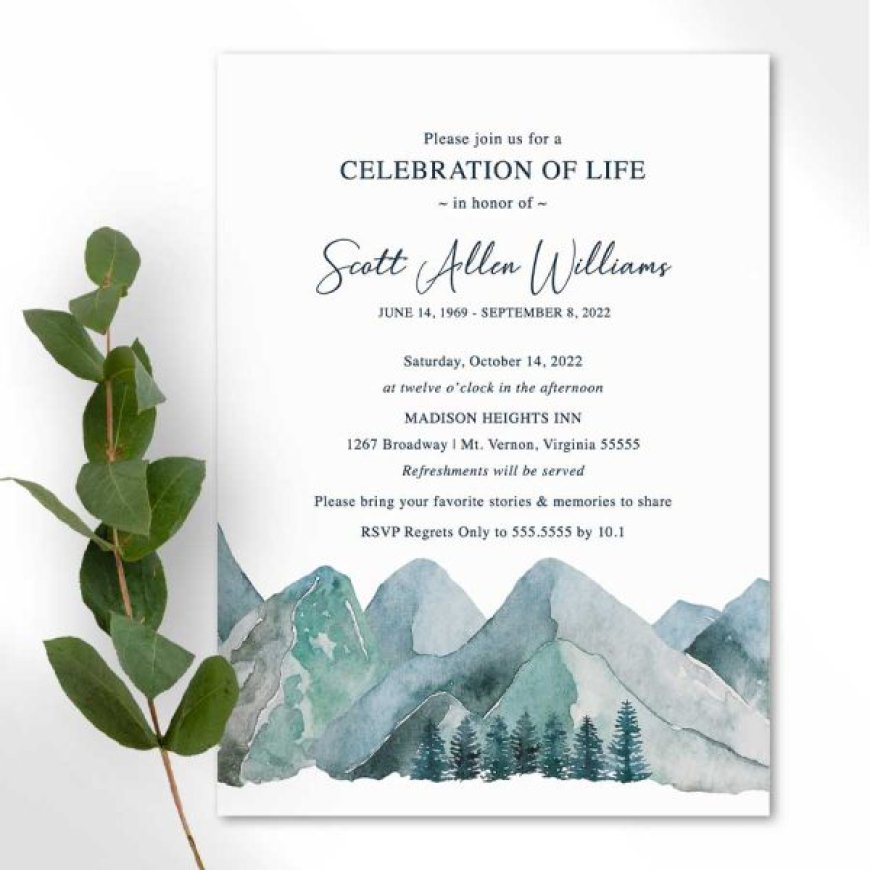
In the wake of a loved ones passing, traditional funerals often focus on grief, solemnity, and mourning. The celebration of life, a customized event that centers on honoring the pleasure, love, and distinct spirit of the departed, is a more well-liked and sentimental substitute. Rather than centering on loss, this event honors the life lived and the legacy left behind. As society shifts toward more meaningful and personalized ceremonies, the celebration of life offers a warm and uplifting way to pay tribute.
What Is a Celebration of Life?
A celebration of life is a ceremony or gathering that commemorates someone who has passed away, focusing not on their death but on the life they lived. It may include stories, music, laughter, photos, and videosall centered around what made that person special. While traditional funerals often follow religious or cultural rituals, a celebration of life is typically more flexible, allowing families to shape the event in ways that feel authentic and healing.
Unlike somber ceremonies, these events encourage guests to share joyful memories, tell funny anecdotes, or even wear bright clothing instead of black. Its an opportunity to reflect on how the departed enriched the lives of others, creating an atmosphere of love, gratitude, and remembrance.
Origins and Growing Popularity
The concept of the celebration of life is not entirely new. Many indigenous cultures and spiritual traditions have long focused on honoring the transition of the soul, viewing death as a continuation rather than an end. However, in recent years, the idea has gained traction across mainstream Western societies, especially as people seek more personalized, less rigid memorials.
The COVID-19 pandemic also contributed to this shift. With large funerals restricted during lockdowns, families began organizing smaller, more intimate, and creative events to remember their loved ones. This trend has continued, as more people realize the healing power of celebration in the face of grief.
Key Elements of a Celebration of Life
1. Personalization
The most defining feature of a celebration of life is personalization. The event is usually tailored to reflect the personality, values, and passions of the deceased. Whether its held at a beach, a garden, a community center, or a family home, the location and tone are intentionally selected to create meaning.
A live performance of a musician's favorite songs might be part of a celebration for that person. An avid gardener might be remembered in a park with wildflowers and seeds given as keepsakes. The possibilities are endless.
2. Storytelling and Sharing
A cornerstone of this celebration is storytelling. Friends and family are encouraged to share anecdotes that reflect the character and humor of the loved one. This can include speeches, video tributes, or memory boards filled with handwritten notes and photos.
Rather than suppressing emotions, storytelling allows attendees to laugh, cry, and connect. These shared experiences not only honor the deceased but also offer a path toward healing for those left behind.
3. Music and Food
Unlike traditional ceremonies that may be quiet or formal, celebrations of life often feature the favorite music and foods of the departed. This sensory experience adds warmth and familiarity, turning the gathering into something that feels like a heartfelt reunion.
Whether its jazz, folk, pop, or religious hymns, music helps convey the emotional tone of the event. Food, meanwhile, can bring back memorieslike a mothers favorite pie or a grandfathers favorite dish.
4. Keepsakes and Mementos
In order to remember the event, guests could be given personalized mementos.These could include bookmarks with quotes, custom candles, seed packets, or framed photos. These items act as gentle reminders of the person and the moments shared.
see more related article memorial service
Why Choose a Celebration of Life?
Healing Through Joy
Grief is complex, but many people find that focusing on love and joy is more comforting than dwelling on pain. A celebration of life provides a safe space to remember the positives, enabling healing through laughter, storytelling, and community support.
Honoring the Individual
Every individual is different, and our farewells should reflect that.This kind of gathering honors not just that someone died, but that they lived. It puts the spotlight on their impact, quirks, achievements, and relationshipsproviding a fuller picture than a formal service might allow.
Flexibility
One of the strongest benefits of a celebration of life is its flexibility. It can be held days, weeks, or even months after the death, allowing time for long-distance family and friends to attend. It can be religious, secular, casual, or formalwhatever feels most appropriate for the person being remembered.
Planning a Celebration of Life
Start With Their Story
Think about who your loved one wastheir passions, values, favorite places, and signature sayings. Use these insights to guide the theme and content of the celebration.
Involve the Community
Invite friends and family to contributewhether through speeches, photo displays, or musical performances. This fosters a sense of connection and collective remembrance.
Create a Lasting Legacy
Some families choose to include a charitable component, such as donations to a cause the person cared about.Others honor their memory by planning a community activity, establishing a scholarship, or planting a tree.
Conclusion
A celebration of life is more than an eventits an act of love.It turns sadness into narrative and pain into thankfulness.By focusing on the joys and contributions of the departed, it helps families and communities honor them in a way thats uplifting, sincere, and deeply human.
Check new article click here