What’s the Future of Generative AI Development Services?
The future of generative AI development services lies in multimodal models—AI that can understand and generate content across text, images, audio, and video simultaneously. Already, companies are exploring tools that take voice commands and turn them into animations or convert images into detailed narratives.

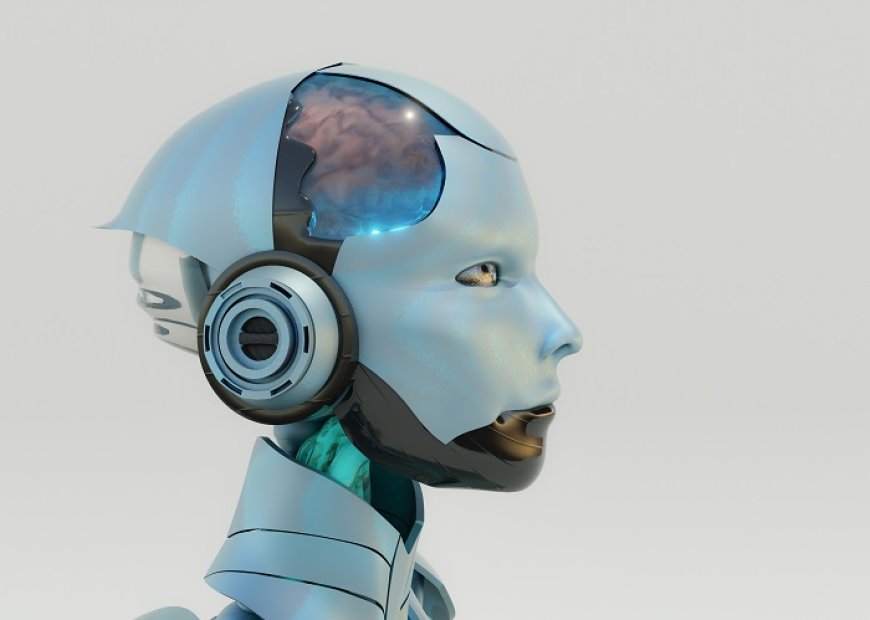
Generative AI has captured the imagination of industries and innovators alike. With its ability to produce text, images, audio, and code with minimal human input, it's no wonder that generative AI development services are now among the most in-demand technologies shaping the future. But as we look ahead, one question remains: What does the future hold for generative AI development services?
In this blog, well explore the trajectory of generative AI, the industries its transforming, the emerging trends, and what businesses can expect in the next five years.
The Current Landscape of Generative AI
Today, generative AI development services are being applied across a wide spectrum of industriesfrom healthcare and education to marketing, entertainment, and enterprise software. Companies are leveraging these services to:
- Automate content creation
- Build conversational agents
- Generate personalized recommendations
- Accelerate drug discovery
- Create realistic visual simulations
The popularity of tools like ChatGPT, Midjourney, and GitHub Copilot is a testament to generative AIs immense value. These solutions demonstrate how generative AI can amplify human creativity and streamline complex workflows. However, what were seeing now is just the beginning.
Key Drivers Shaping the Future
1. Multimodal Capabilities
The future of generative AI development services lies in multimodal modelsAI that can understand and generate content across text, images, audio, and video simultaneously. Already, companies are exploring tools that take voice commands and turn them into animations, or convert images into detailed narratives.
As this becomes more accessible, businesses will demand generative AI tools that can operate across formats seamlessly, enabling more dynamic and immersive experiences for end-users.
2. AI Personalization at Scale
One-size-fits-all AI solutions will soon be outdated. The next generation of generative AI development services will focus on hyper-personalization. Whether its tailored learning experiences in edtech or unique customer journeys in ecommerce, generative AI will increasingly learn and adapt to individual preferences, behaviors, and contexts, unlocking better user engagement and outcomes.
3. Enterprise Integration and Customization
Enterprises are already exploring how to integrate generative AI into their proprietary systems. The future will bring custom-trained models designed for specific sectors such as law, finance, supply chain, and logistics. These AI models will be tuned with company-specific data, offering better accuracy and higher ROI.
Expect generative AI development services to include fine-tuning large language models (LLMs), secure API integration, and on-premise deployment options to meet enterprise compliance and security needs.
Industry-Specific Transformations
Generative AI will redefine several sectors. Here are a few industries where we can expect the most significant change:
1. Healthcare
Generative AI will assist in diagnostics, summarizing patient history, and even generating treatment plans. Radiologists may rely on generative models to interpret images, while mental health platforms will use AI to simulate therapeutic conversations. With generative AI development services, healthcare providers can build HIPAA-compliant AI tools tailored to patient care.
2. Media & Entertainment
Content generationscripts, animations, musicwill be revolutionized. AI will co-create with human artists, producing high-quality content in a shorter timeframe. This shift will encourage more creators to explore generative tools and redefine storytelling across formats.
3. Education and Training
Generative AI will make personalized learning more accessible than ever. Think AI tutors generating dynamic lesson plans or simulations for hands-on training. Educational institutions will increasingly rely on generative AI development services to create scalable, adaptive learning ecosystems.
4. Marketing and E-commerce
AI will produce ad copy, design layouts, product descriptions, and even social media posts that are tailored to each user segment. Marketing teams will adopt AI content pipelines powered by generative AI development services to reduce turnaround time and increase campaign effectiveness.
The Rise of Ethical and Responsible AI
With great power comes great responsibility. As generative AI becomes more prevalent, ethical concerns about misinformation, data privacy, and model bias are coming to the forefront. The future of generative AI development services will include:
- Bias mitigation tools
- Content authenticity verification
- Explainable AI (XAI)
- Regulatory compliance frameworks
Developers and service providers will need to prioritize responsible AI practices, ensuring that their tools are trustworthy and align with global ethical standards.
Opportunities for Startups and Enterprises
Startups will find fertile ground in building domain-specific generative tools, while large enterprises will invest in AI-powered automation to stay competitive. The rise of AI-as-a-Service models means that even small businesses can now afford to implement advanced generative capabilities without massive infrastructure investments.
Generative AI development services will soon become essential for:
- Automating repetitive business processes
- Building AI-powered customer service solutions
- Enhancing internal knowledge management
- Delivering personalized product experiences
What Businesses Should Do Now
If your business hasnt yet explored generative AI, now is the time. Here's how to prepare for the future:
- Identify Areas of Impact: Assess where generative AI can automate or enhance operations.
- Choose the Right Development Partner: Look for generative AI development services with experience in your domain.
- Invest in Customization: Off-the-shelf models wont always workfine-tune AI to fit your data and goals.
- Prioritize Security and Compliance: Ensure that your AI systems adhere to data protection regulations.
- Stay Agile: The AI landscape is evolving rapidly. Stay updated and ready to pivot your strategy.
Final Thoughts
The future of generative AI development services is bright, dynamic, and disruptive. As models grow smarter and more intuitive, the line between human and machine creativity will continue to blur. For businesses, this presents a golden opportunity to lead the next wave of innovation.
By embracing ethical, scalable, and customized generative AI solutions, organizations can not only boost efficiency but also unlock new revenue streams, create exceptional user experiences, and future-proof their operations.